Ministry visit: Rural Health Care

Note: After a hiatus due to a restorative vacation, the Tanzania 2026 blog continues. Our current entry highlights rural health care in the Central Diocese.
One of the many things Jesus did in the Gospels was to care for the sick and the lame, to heal the deaf and the blind. Great crowds gathered to listen to him and we are told Jesus healed all of them before he multiplied the loaves and fishes to feed thousands. Healing is a ministry we as followers of Jesus have practiced for centuries.
Dispensary is a term we do not use regularly in our context in the U.S. In Minnesota of the past, think of the small town doctors who the town’s people came to for everything from illness to injuries to childbirth. It was at the local clinic the doctor and nurses would care for and seek to heal their neighbors.
The Lutheran dispensary in rural Tanzania is no different. In Tanzania, a dispensary is a small clinic, usually located in a rural setting. Each dispensary has a doctor and nurse who treat all who come. They diagnose illness, perform well baby checks, bind up wounds, dispense medication and give injections and vaccinations. The local Lutheran pastor is connected to their community's dispensary, providing spiritual support, as needed.
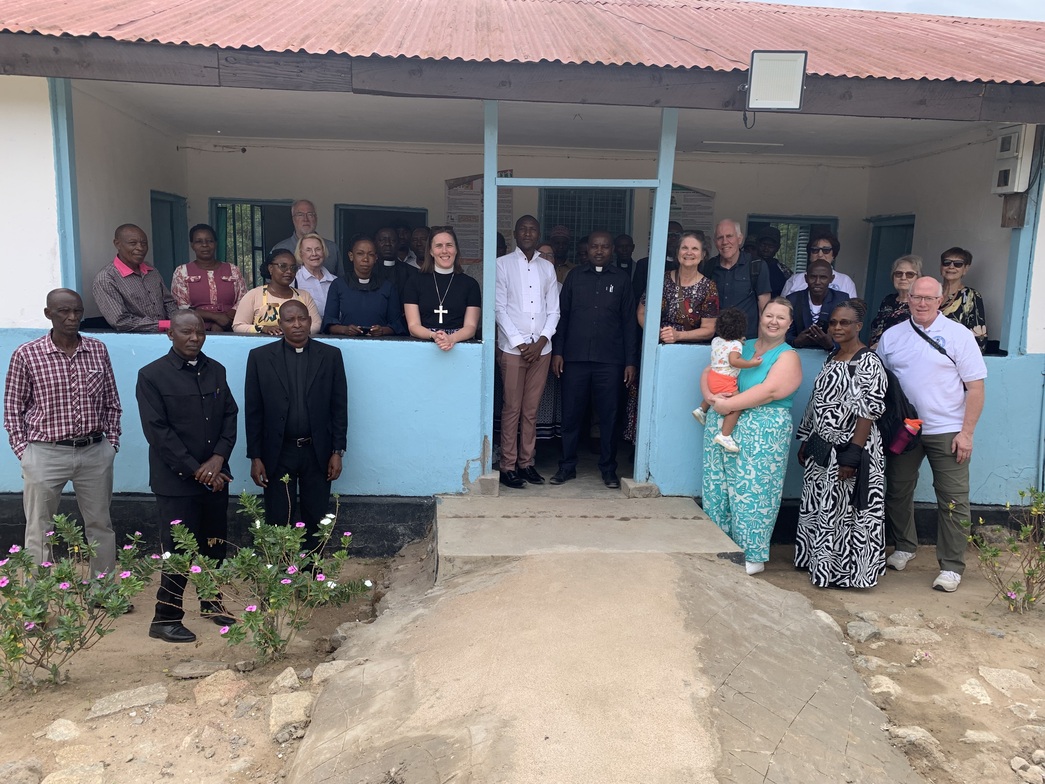
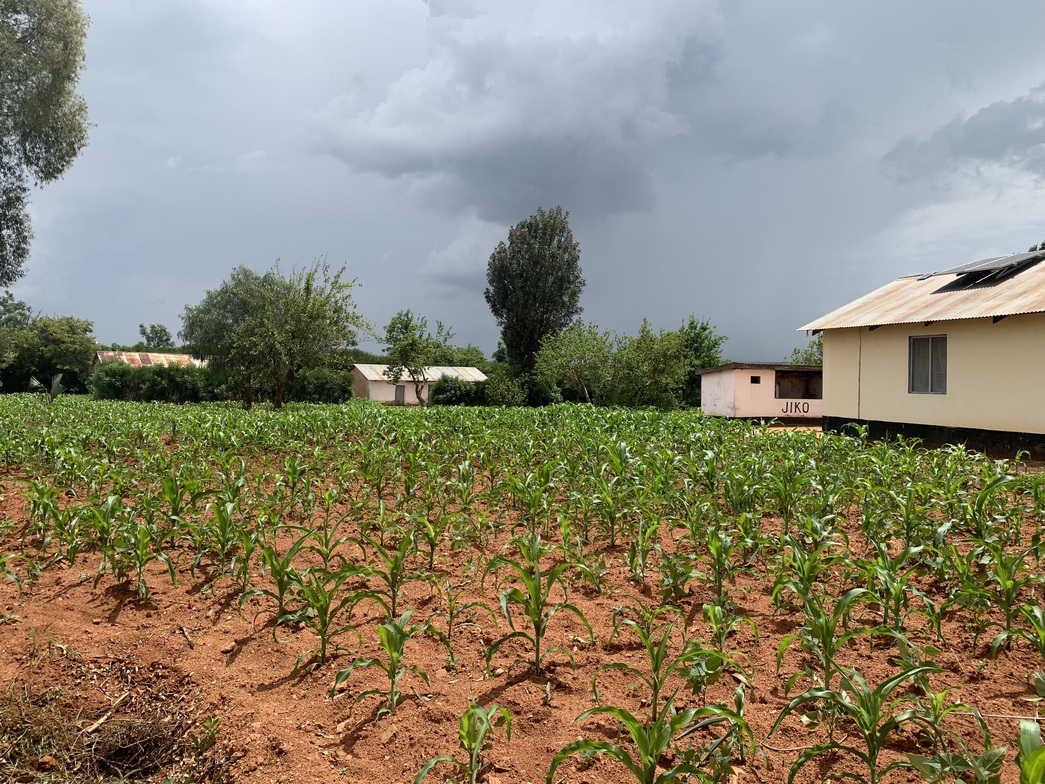
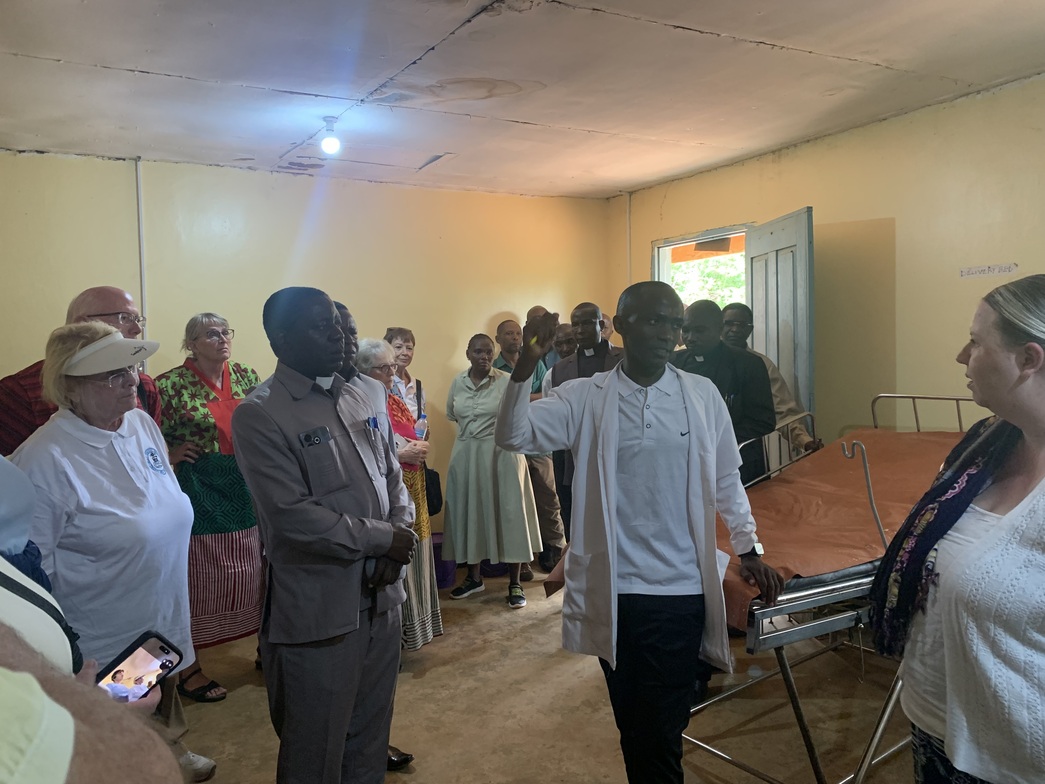
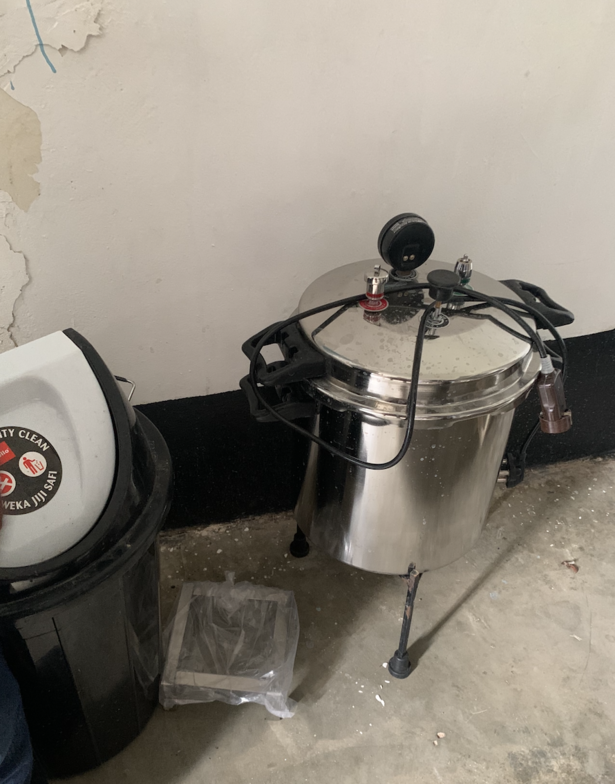
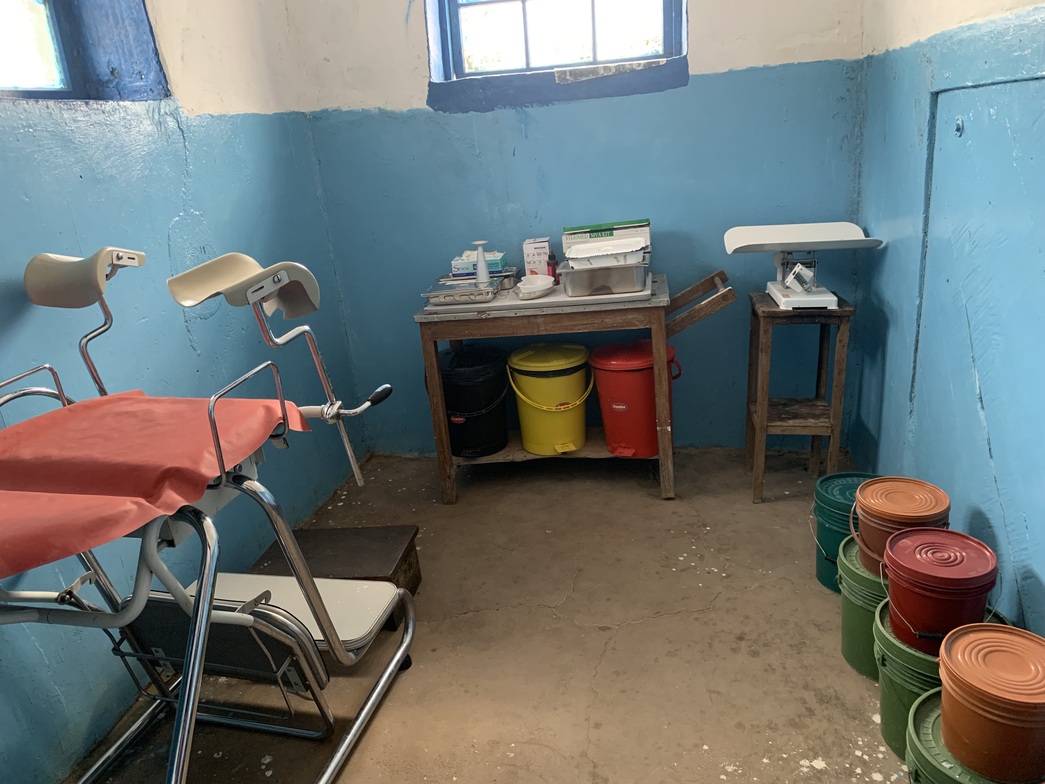
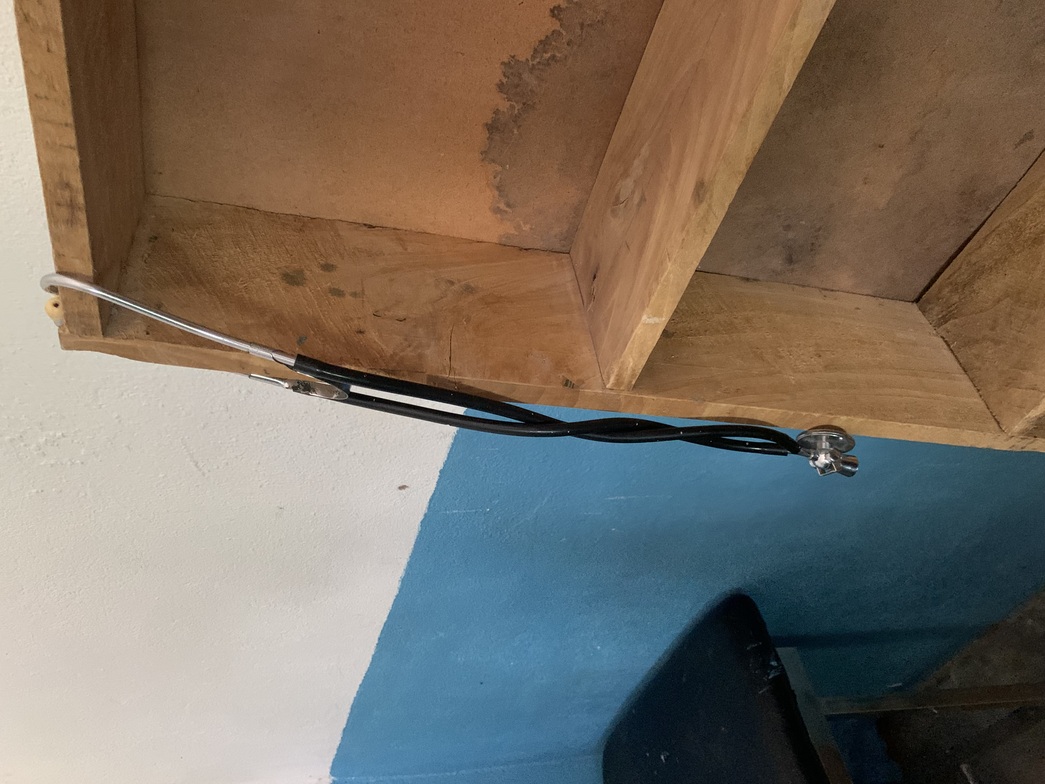
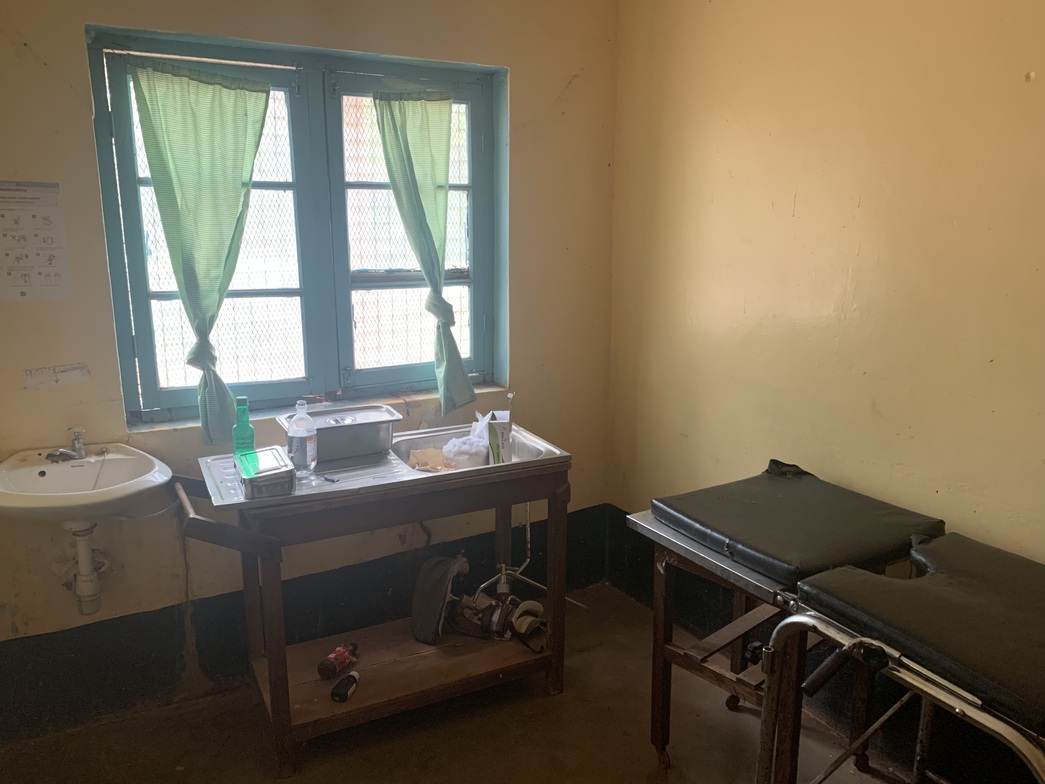
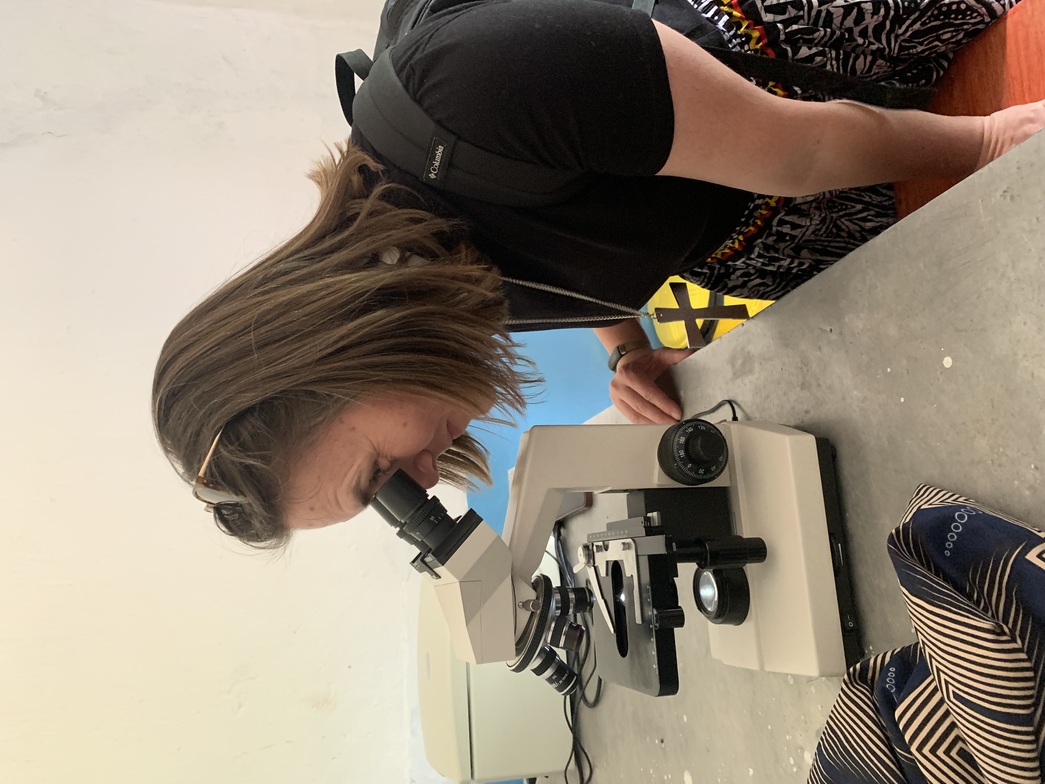
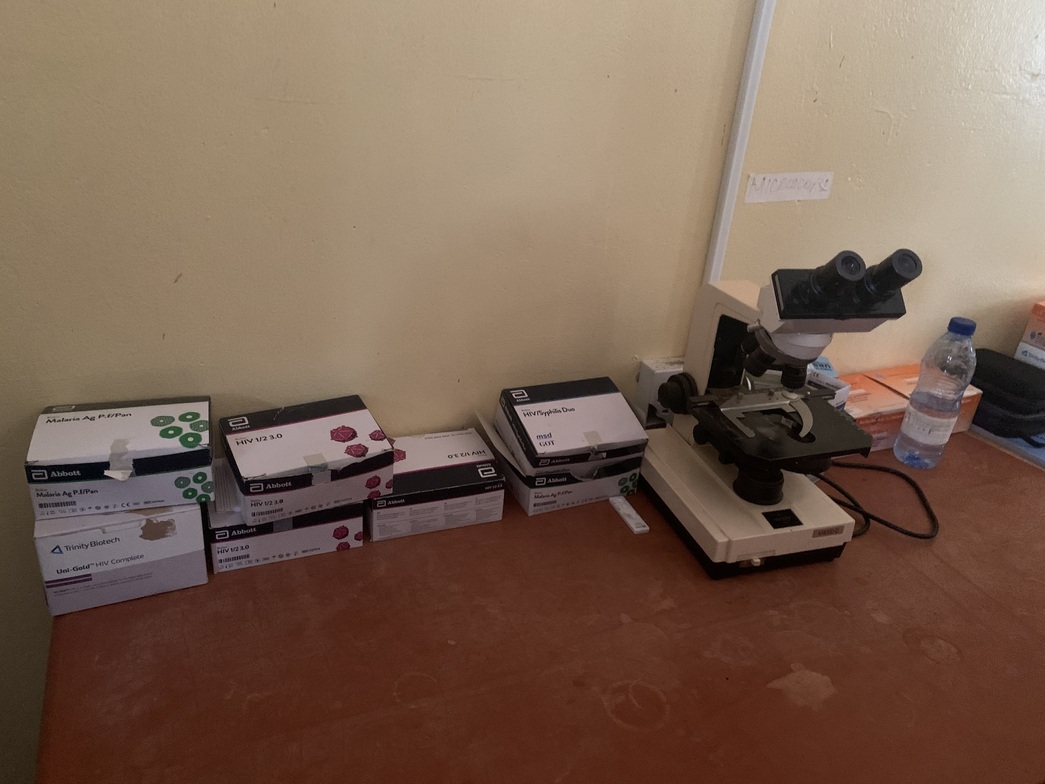
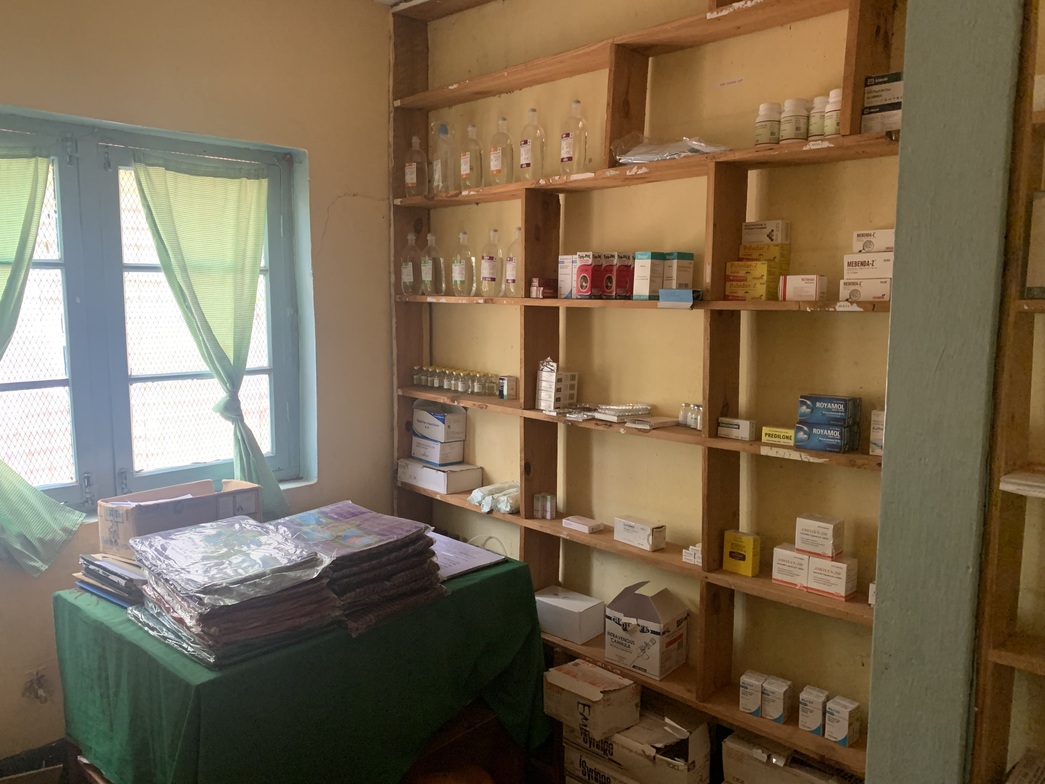
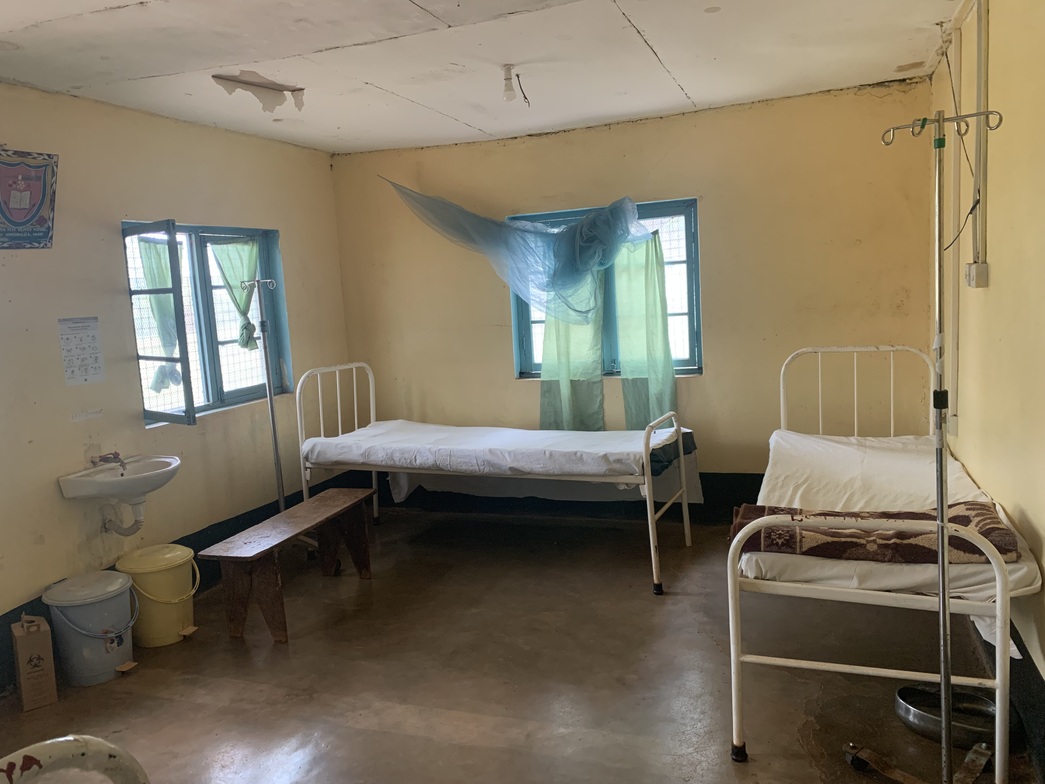
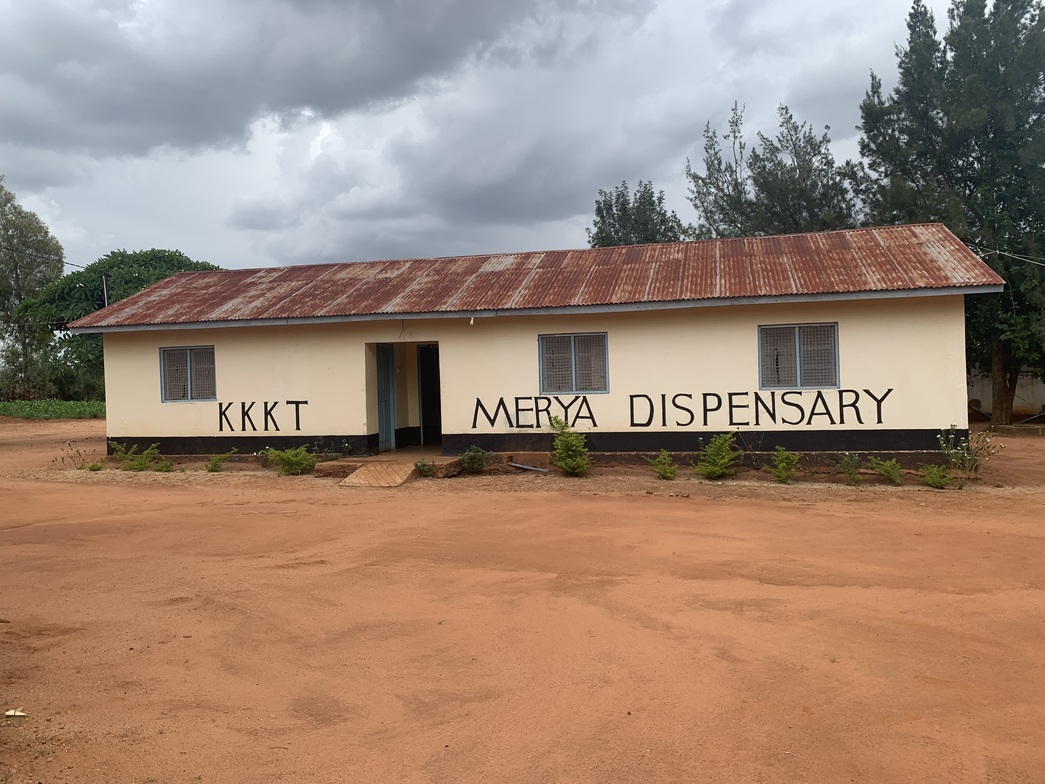
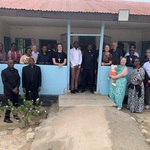
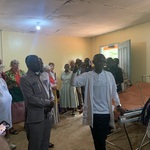
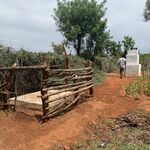
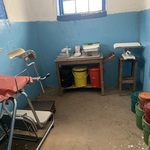
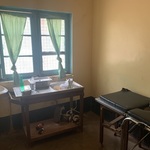
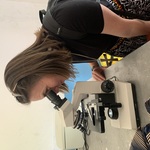
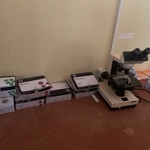
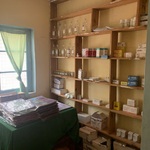
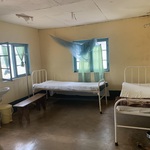
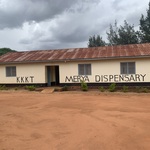
During our visit to Central Diocese ministries, we toured the Sepuka and Merya Dispensaries. Each site has a couple of small buildings with rooms designated for a specific purpose. The main space is for registration with a diagnosis room and a room with birthing equipment close by. There is a small lab with a microscope and other basic equipment to test for illness and a pharmacy with medication to distribute. Although some dispensaries have a motorcycle for access to needed medication and transportion of the very sick to a nearby health care center or hospital, most must rely on bicycles for transportation. All of these services are provided by two or maybe three people, limited equipment, and small spaces you might need to see to believe.
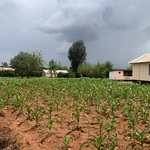
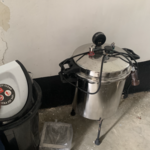
The Central Diocese is primarily rural with over 85% of the population working from sunup to sundown as ‘subsistence farmers’: people who grow basic food that is needed to feed a family (maize for ugali, scrawny chickens, greens) with a bit of money from market sales that is set aside for local, regional, and national taxes. This leaves rural families with very little money for health care and education. What does this mean? Doctors, teachers, and pastors are often paid in crops (maize, sugar cane, sunflowers) or, in a good year, a chicken. We learned that as a result of this ‘cash poverty’, basic equipment needed for the dispensaries to continue to receive government certification and stay open - a simple microscope for diagnoses, an autoclave to sterilize equipment - is very difficult to purchase as the dispensary cannot pay in eggs. And, with the recent cuts in USAID funding, medications to treat malaria, HIV-AIDS, hypertension, diabetes will soon reach critically low levels.
And yet. The doctors and nurses continue to compassionately live into their call to care for the sick and injured in their community, faithfully live into Jesus’s words to ‘heal the sick’ (Matthew 10:8).
If you are interested in partnering with Central Diocese rural health care ministries by providing money to go towards replacing a broken microscope or autoclave, a much-needed motorcycle, or dwindling pharmaceuticals that save lives, go to semnsynod.org/giving, drop down Global Synod Partners, and memo of Tanzania Health Care.
Next entry: Palliative care in a rural setting

-
Southeastern Minnesota Synod Office